Elysium was due to open its mainnet on the evening of November 9, 2026, as the first Layer 2 ecosystem project associated with Hyperliquid. In a report published earlier that day, PANews described a surge in token launches and trading ahead of the opening—but also a pullback in activity and a dispute over whether some traders had faster access to transaction submission.
Launch activity is not sustained adoption
Elyscan data cited by PANews put Elysium testnet transactions above 6.379 million at the time of reporting. Daily transactions exceeded 1.4 million on November 8. Separately, Elysium Explorer showed more than 210,000 HYPE, worth about $15.48 million, had flowed through the bridge. The report also listed roughly 98,000 HYPE in cross-chain transfers in and 7,900 HYPE out; it did not reconcile those figures with the larger cumulative inflow total.
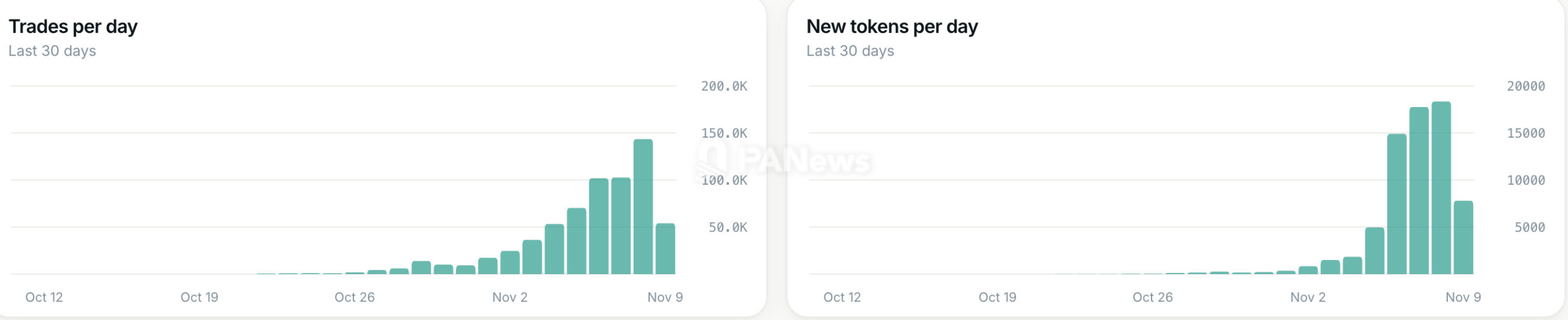
Token issuance was particularly brisk. According to Arkhampad, roughly 18,000 new tokens appeared on November 8, alongside about 143,000 token-trading transactions. Its cumulative figures exceeded 66,000 tokens and 113,000 addresses. Elyscreener put Launchpad trading volume over the preceding 24 hours at about $21.19 million, with Ascend accounting for roughly 41% and Montra 28%. Both platforms opened earlier than their previously planned post-mainnet start, the report said.
That activity had not translated into many high-valuation tokens. GMGN counted just six Elysium ecosystem tokens with market capitalizations of at least $1 million; the largest, e/acc, was valued at about $7.3 million. PANews reported that November 9 activity had fallen from its peaks: approximately 268,000 transactions in a series it called mainnet transactions, 25,000 token trades and 4,500 new tokens. Because the report also said the formal mainnet opening was still scheduled for that evening, its network labels and comparisons should not be treated as proof of sustained post-launch usage.
A disputed transaction-access path
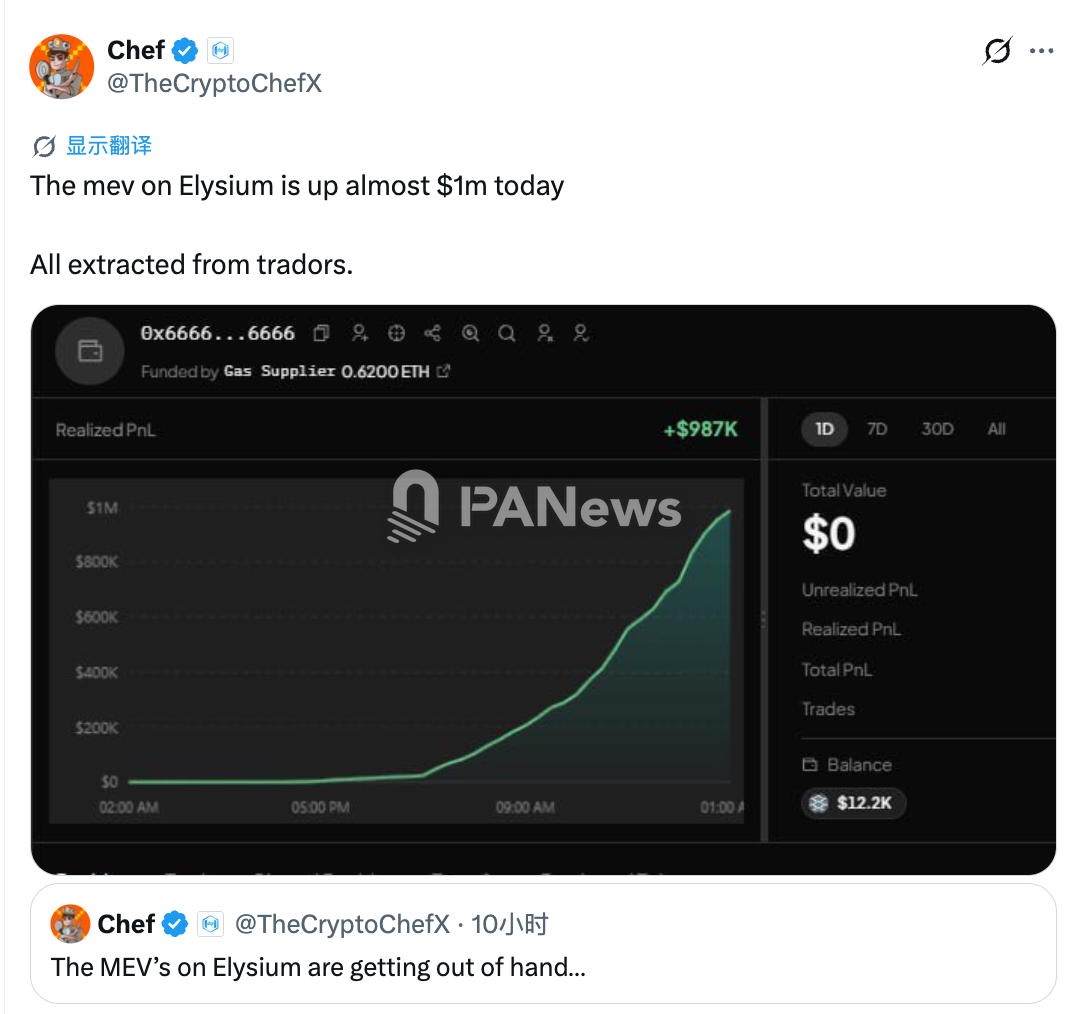
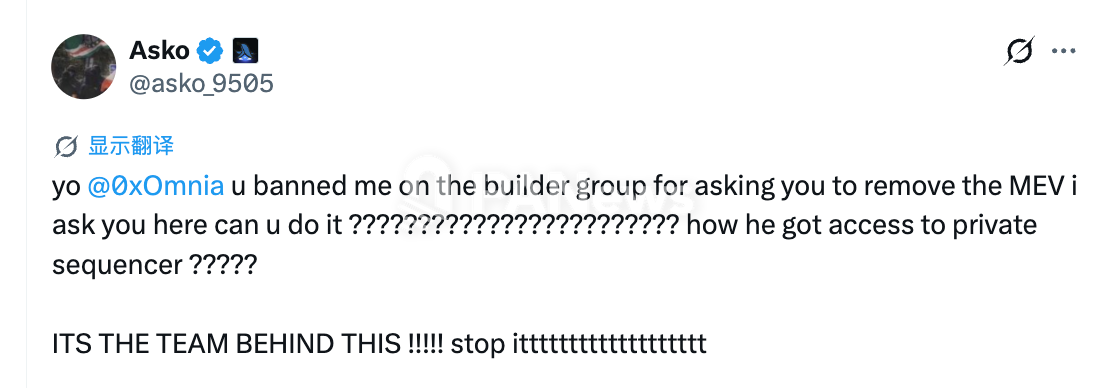
Community members alleged that a wallet used private-node or privileged access to run a sandwich-trading bot against Launchpad users. PANews said the address had been publicly tagged as an MEV bot and had recorded profits approaching $1 million. Elysium’s team initially acknowledged a problem and said it revoked the address’s RPC access, according to the report. After further complaints, the team said the transactions used the normal HyperEVM Delayed Inbox path and denied misuse of sequencer privileges.

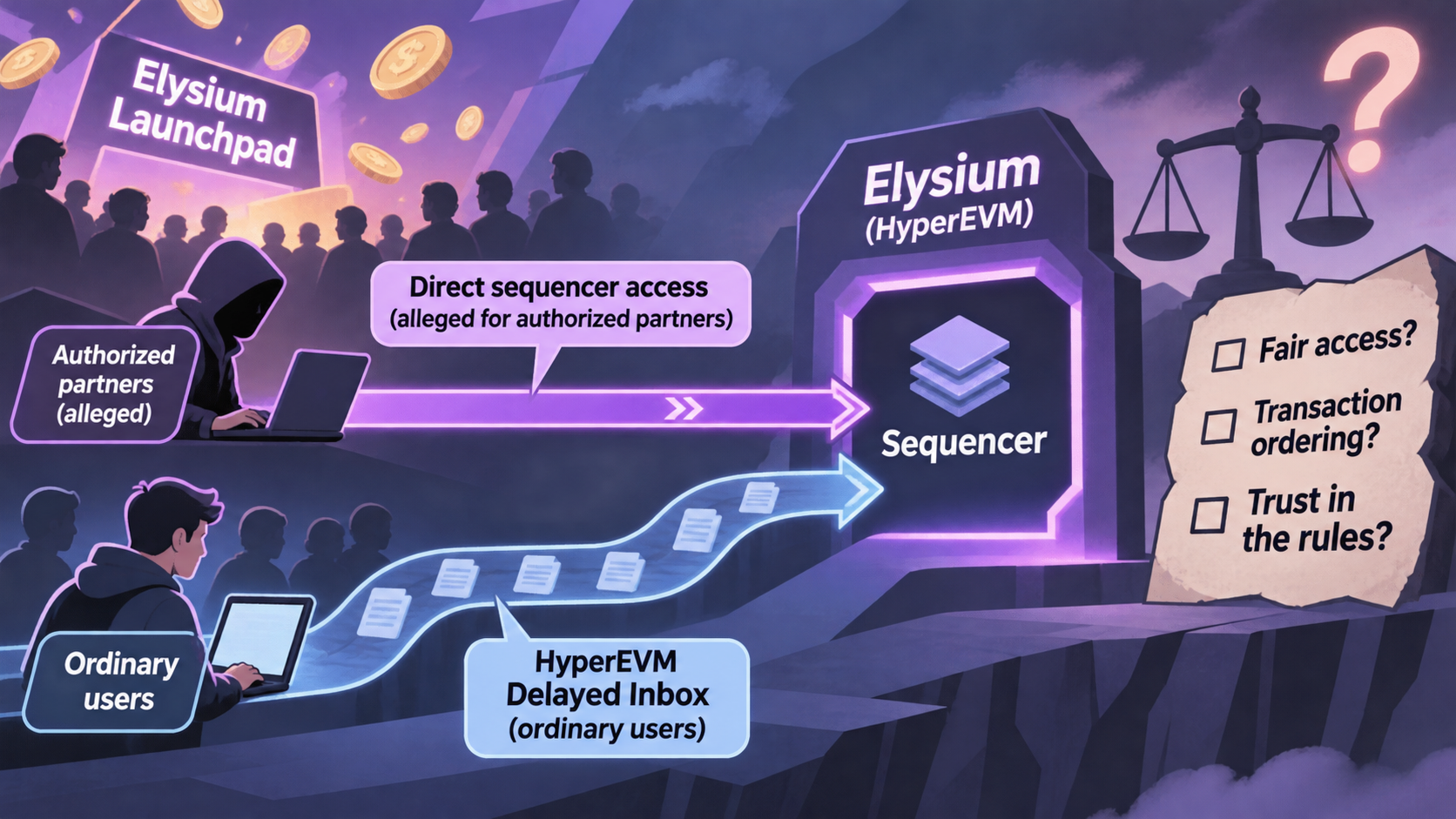
Crypto commentator @y_cryptoanalyst argued that, despite Elysium documentation describing priority-fee ordering without a privileged channel, authorized partner addresses could submit directly to the sequencer while ordinary users used the slower Delayed Inbox. That account of the system and the alleged bot’s access remain disputed claims, not established findings. PANews also reported complaints that some questioners were muted in Elysium’s official Telegram group and that founder Omnia had blocked community members.
The broader MEV concern was not limited to one address. Femtos.xyz data cited in the report recorded more than 24,000 sandwich attacks by 31 monitored bots over seven days, affecting more than 6,000 traders and extracting about $303,000. The median loss on affected trades was 3.4%, across roughly $7.2 million in trading volume; the top two bots accounted for 49% of the measured proceeds.
Elysium’s early token-launch numbers show attention and participation before the scheduled opening. They do not, by themselves, establish durable demand. The unresolved question in the November 9 report was whether users could trust the rules governing access and transaction ordering as activity moved beyond the launch window.