
In an essay published on August 13, 2026, 1confirmation argues that some abandoned crypto consumer ideas may deserve another look. Its thesis is about timing, not proof of a revival: infrastructure and user behavior can change, but past attention has not established lasting demand.
Internet-native assets
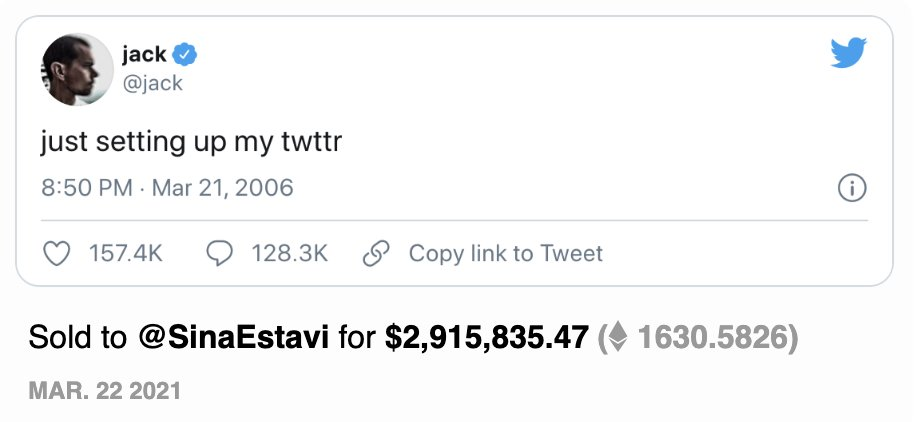
During the 2021 NFT boom, Cent built a market for tokenized tweets. Jack Dorsey’s first tweet sold on March 22, 2021, for 1,630 ETH, valued at $2,915,835.47 in the essay. NBA Top Shot also put cultural moments on-chain, though 1confirmation argues its product resembled digital trading cards. The firm sees an unresolved question: could an asset represent an online cultural moment itself, rather than merely track the attention around it? That is a different proposition from tokenizing real-world assets such as stocks or property.
Earning tokens and sharing digital spaces
Projects including STEPN and Axie Infinity let users earn tokens rather than buy them outright. For 1confirmation, their difficulties do not rule out earning as an entry point to crypto; they raise the harder question of what users earn and why they would keep it. The essay argues that unrestricted distribution of liquid tokens cannot sustain an economy.
The essay similarly revisits the metaverse. Decentraland and The Sandbox sought to reproduce land and buildings in digital worlds. 1confirmation suggests that the disappointing earlier wave may reflect that approach, rather than a lack of interest in shared online spaces. It notes that Facebook was valued at $900 billion when it renamed itself Meta, but offers no evidence that a new social-world model has since succeeded.
Coordinating groups—and markets around people
ConstitutionDAO showed how quickly strangers could assemble funds: the essay says it raised about $47 million in a few days in an attempt to bid for an original copy of the U.S. Constitution. 1confirmation argues that DAOs may have focused too heavily on governance mechanics and too little on the simpler goal of pooling resources to accomplish something together. It does not claim DAOs have disappeared; many projects remain active.
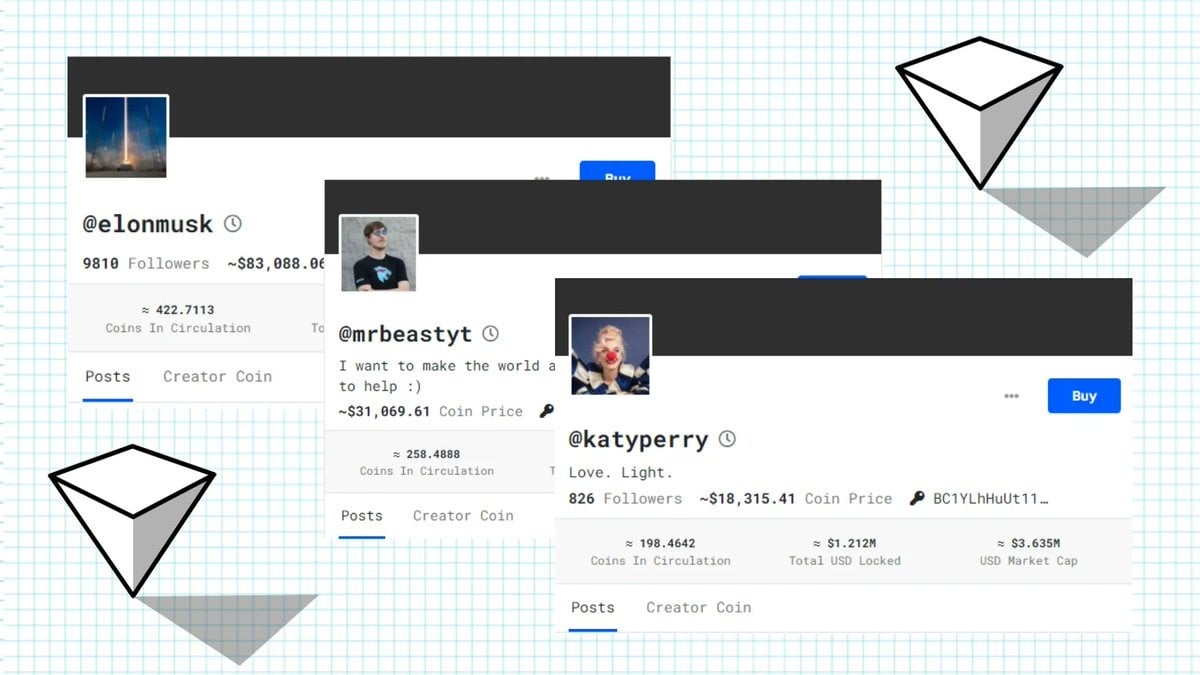
Finally, the essay groups Friend.tech, Rally, Roll and BitClout among attempts to build markets around creators or individuals. It points to continuing interest in trading linked to public figures, while asking whether creators themselves want to become the object of speculation. That question matters as much as demand from traders or fans.
These are five proposed directions, not five demonstrated opportunities. 1confirmation’s central claim is that a future breakout application could revisit a failed idea once conditions are right. The essay leaves the crucial test open: whether any revised product can turn attention into durable use.