Historical source: PA News published this account on November 11, 2026, at 13:55 (UTC+8). It presents an essay by washed, translated by 深潮 TechFlow.
Crypto Twitter (CT) is not the crypto industry, argues washed. In the original essay, the author draws on years spent in sneaker-resale and crypto communities, as well as time observing online-business and gambling circles. The recurring pattern they see is a shift from sharing early opportunities to competing for attention—and then monetizing followers.
From an edge to a race
In washed’s account, small communities initially attract people trying to understand an inefficient market. As tools improve and more participants arrive, that edge shrinks. The author recalls sneaker resellers racing to sell shoes before receiving them, including a practice of paying to have shipping labels scanned early. Washed sees a parallel in aggressive competition around newly launched tokens, though the comparison is an interpretation, not evidence that the two markets work identically.
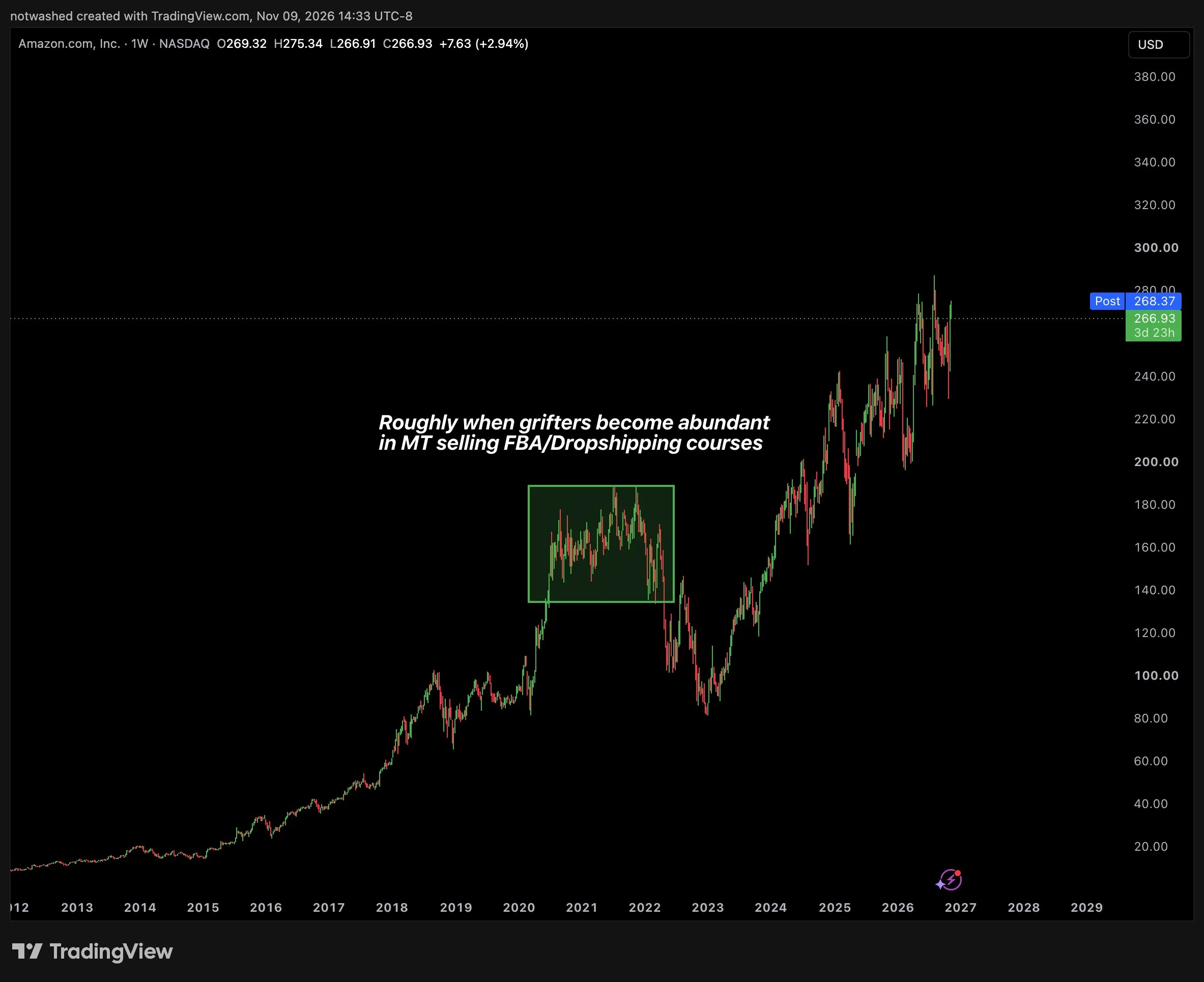
The second shift is social. Washed argues that, when an opportunity becomes harder to profit from directly, selling access to the idea of that opportunity can become more attractive. The essay likens memecoin promoters to online-business creators who sell courses. It also explicitly cautions against treating every paid course or subscription as a scam; the concern is how incentives change when an audience becomes the product.
One example requires particular care: washed says a widely circulated story that Kimchi made $40 million trading TRUMP was invented as a joke by a friend, and criticizes subsequent marketing involving Pump. That is the author’s account of the story, not an independently established finding in the supplied material.

A public timeline is not a sector measure
Washed says valuable crypto conversations have increasingly moved from the public timeline into Telegram, Discord and other private groups, or into direct on-chain activity. The author believes CT’s public discussion has become less representative of substantive work in crypto. That does not establish how much activity has moved, or imply that every public account lacks value: washed specifically praises people who still contribute without promoting dubious schemes.

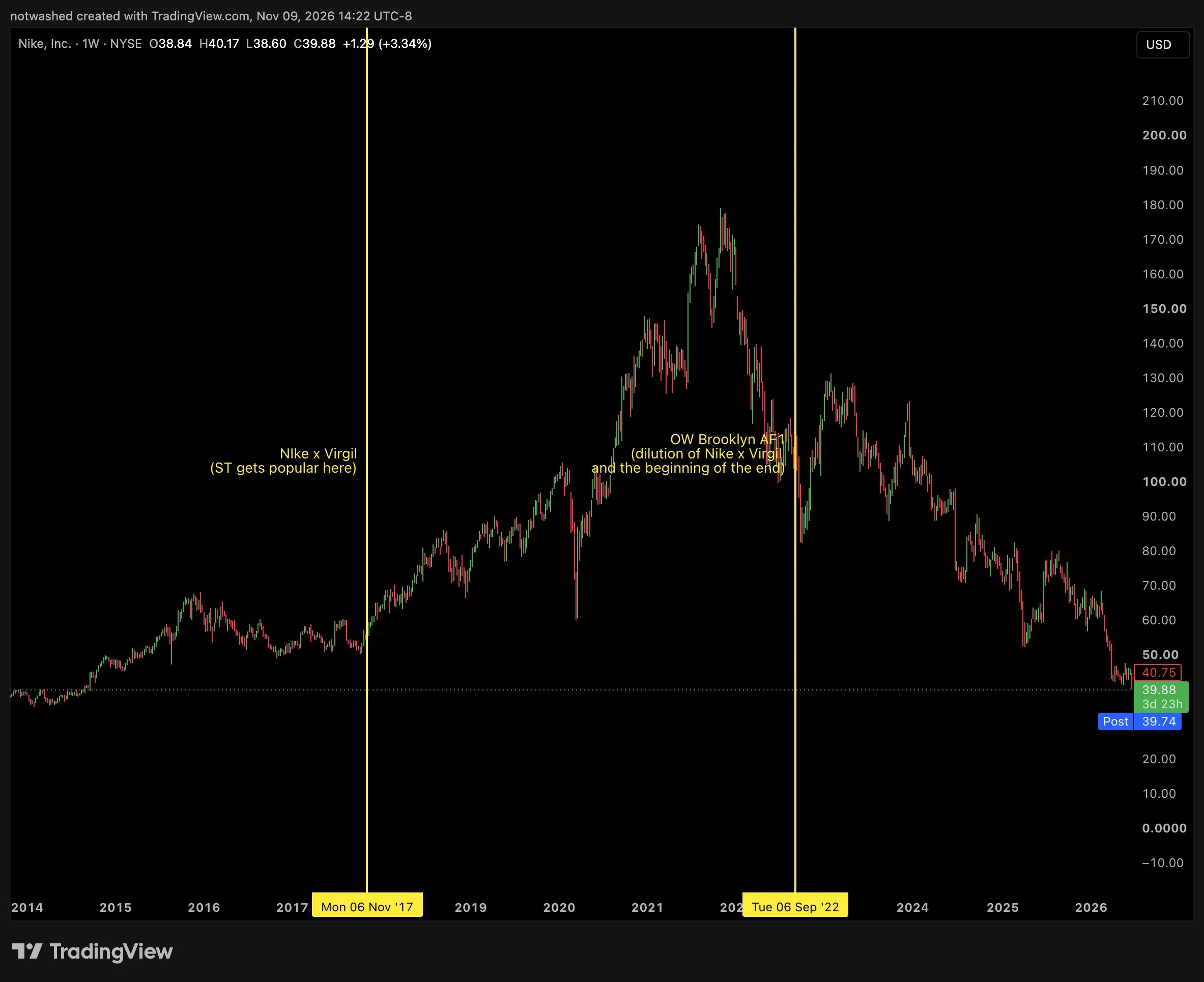
The essay uses Nike’s share-price history alongside sneaker-community milestones, and Amazon’s alongside the online-business community’s course-selling period. Washed calls the Amazon comparison a rough analogy. Neither chart, on its own, measures the health of a social community or proves what caused its changes.

The distinction at the heart of the essay is useful for assessing any crypto narrative: continued activity in a sector does not guarantee that the public community once associated with its early opportunities retains the same edge. Washed remains optimistic about Bitcoin and blockchain over the long term, while arguing that CT’s incentives and the industry’s development have diverged. That remains a judgment about the community—not a demonstrated verdict on crypto adoption.
Source: panewslab.com (originally published 2026-11-11 13:55 UTC+8)