Tether froze some of the USDT stolen from Singapore exchange Bittok in a $50 million hack in June 2020. As of November 25, 2026, none of those tokens had been returned. In emails reviewed by Bloomberg, a Tether lawyer told the company that acquired Bittok that a 20% “reissuance fee” would apply to any funds it recovered.
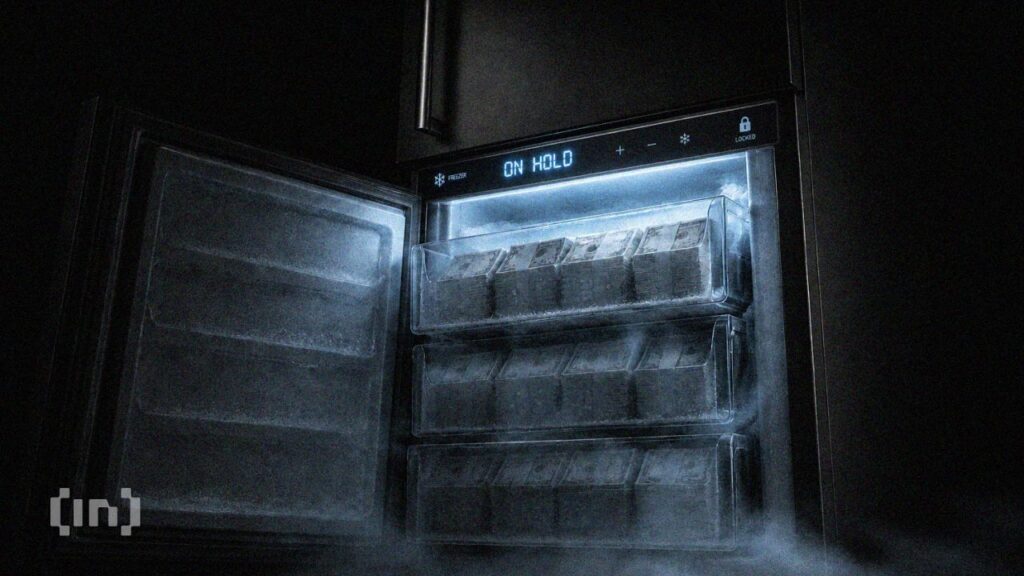
Freezing USDT stops the tokens from moving. To return the funds, Tether cancels the frozen tokens and issues replacements to the owner. Bloomberg reported that Tether sought fees of about 20% in some hack cases. People involved in other cases told Bloomberg that victims received funds in installments and faced similar fees.
Tether says the fees cover the work of reissuing tokens and associated legal costs. The company says it has reissued $1.2 billion in USDT. Its published recovery policy sets a fee of up to 10% for tokens sent to the wrong address; a separate team handles hacks. Crypto commentator Crypto Rover criticized the practice of asking victims to give up part of the money they are trying to recover.
Tether CEO Paolo Ardoino told Bloomberg that returning funds in stages protects the company if another claimant comes forward. “The problem is there is no guidance, there is no law that guides this,” he said.
The distinction between a freeze and a recovery also mattered after North Korean hackers stole $6.3 billion from Binance in October 2026. Tether froze more than $1.5 billion in USDT within 30 minutes, and Circle froze $1.1 billion in USDC. Binance subsequently obtained a court order to reclaim part of the stolen funds.
Tether says it holds more than $7 billion in frozen USDT. The issuer has also faced criticism over when it intervenes: US Senator Richard Blumenthal said Tether does too little to stop Iran’s use of USDT, a criticism Ardoino called a political attack.