
A perpetual futures contract gives traders a way to speculate on an asset’s price. It does not, by itself, give anyone outside crypto a reason to finance the underlying asset. That distinction is central to a November 26, 2026 essay by 佐爷歪脖山, who argues that weak prices and falling trading volume explain only part of crypto’s malaise. The harder question is who has a reason to put money in when existing investors want to get out.
The author sees two main exit routes for crypto projects: a token generation event (TGE), which puts tokens in the hands of crypto buyers, or an initial public offering, which takes the company to stock-market investors. In the author’s assessment, outside acquisitions are rare, and private equity seldom steps in to buy during downturns. Memecoins, perpetual futures and prediction markets give existing participants more things to trade. That is different from attracting outside cash flows.
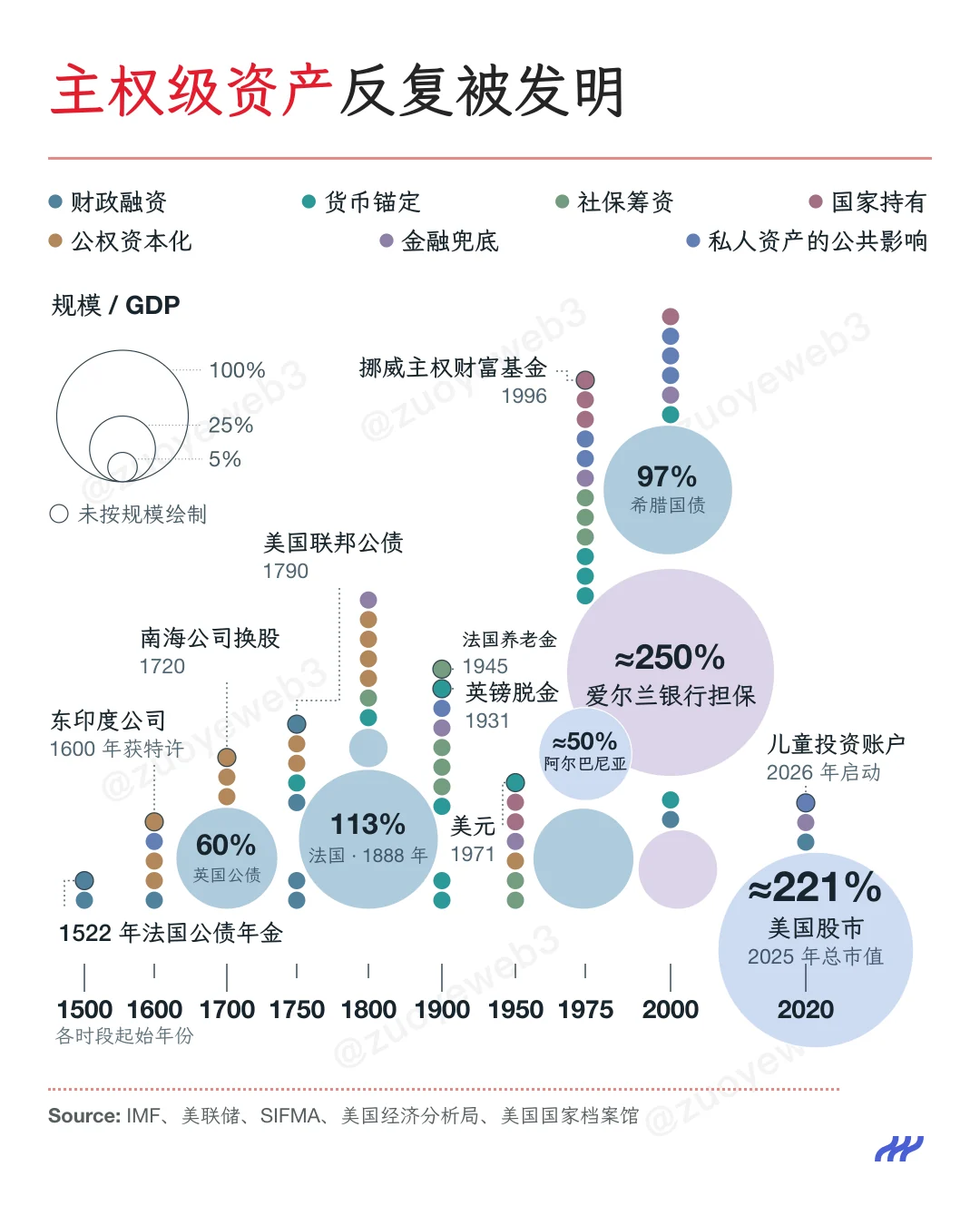
What a buyer was buying in 1720
To explain what crypto lacks, the essay makes a deliberately provocative claim: the state created the first “Ponzi.” The author uses the term as an analogy for sovereign borrowing that can be renewed across generations, not as a finding that government bonds are fraudulent. The historical argument starts with a practical problem: a military campaign needed money before a government could collect enough revenue to pay for it. The essay traces that problem from medieval Venice to Britain’s wars against Napoleon and Jay Cooke’s sale of US government bonds during the Civil War.
War explains the government’s need to borrow. The South Sea and Mississippi schemes illustrate the other side of the transaction: why a household might buy. In the author’s account, Britain and France packaged public debt and revenue rights through companies that could sell shares to individuals. The resulting bubbles in 1720 are remembered for their collapse. For the crypto comparison, what matters is what preceded it: the companies gave investors a tradable claim tied to revenues beyond the stock market itself.
The essay finds a similar distinction in the history of US equities. It credits pensions, executive stock options and corporate buybacks from the 1970s onward with making shares part of Americans’ financial lives. A worker with retirement savings invested in stocks had a stake in the market without ever choosing to become a day trader.
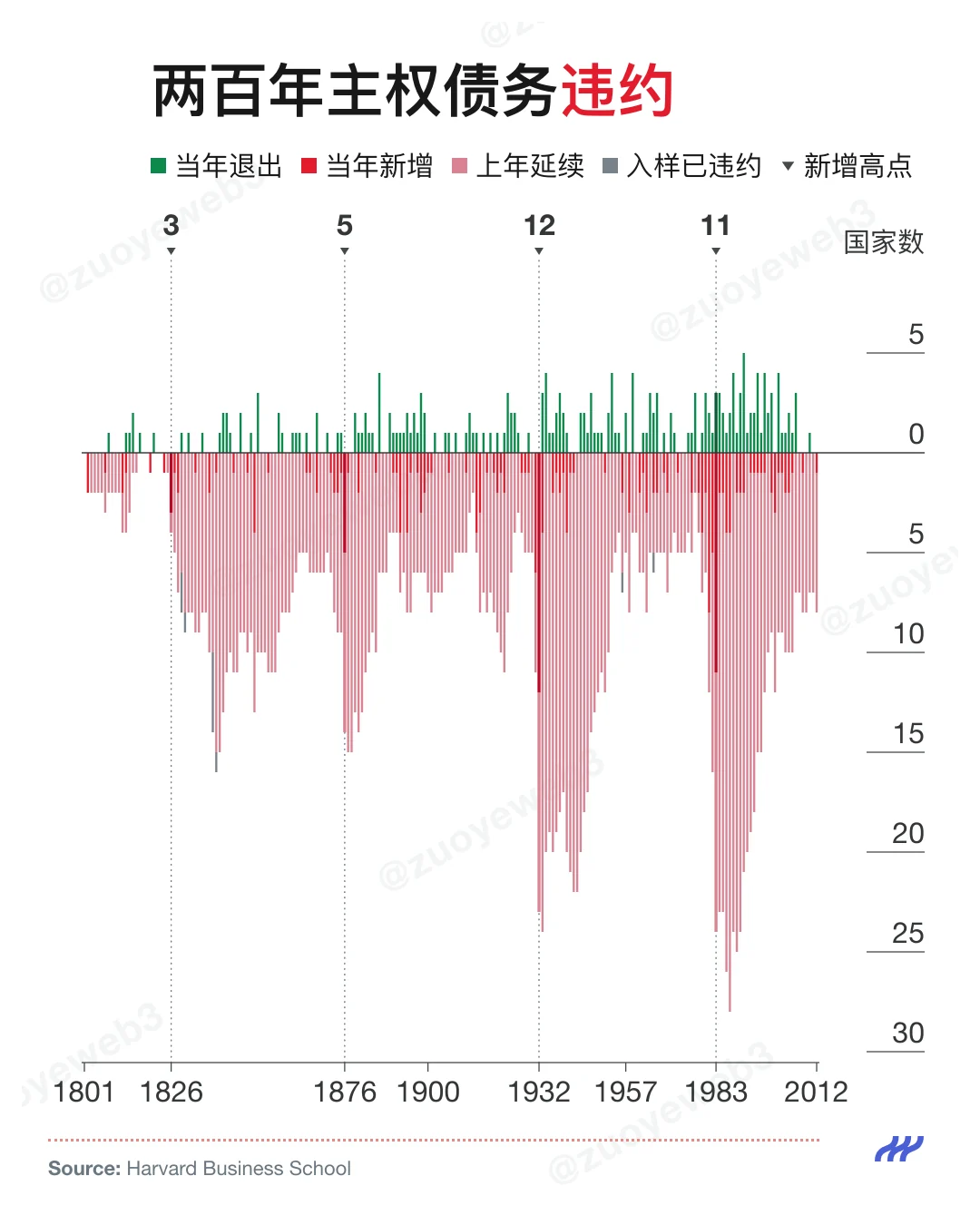
Why sovereign credit can outlast a default
The analogy has a limit that matters for token issuers. A state retains a population it can tax, and a default need not permanently exclude it from borrowing. The author cites Argentina’s access to International Monetary Fund loans and US support after default. Continued access to funding does not mean earlier creditors were made whole.
Time matters, too. The Bretton Woods monetary system lasted just 27 years, yet the author argues that a financial arrangement can come to seem permanent within a generation. In this reading, what looks like the durability of a particular asset may instead be the durability of the institutions that keep issuing, holding or refinancing it.
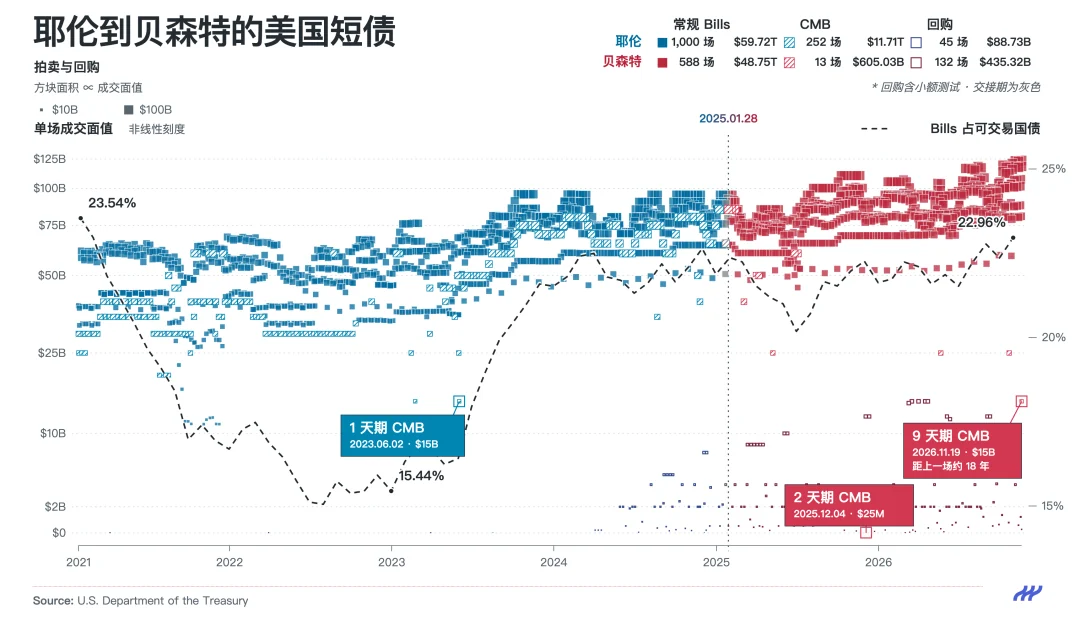
What would count as evidence for a crypto narrative?
The author identifies three things crypto has yet to bring together: a shared objective compelling enough to attract funding, a way to give investors claims on cash flows outside crypto, and a history long enough for people to take the system for granted. DeFi Summer and the metaverse briefly supplied a sense of common purpose. The essay casts AI as a possible successor, not as evidence that the other two conditions have been met.
Perpetual futures are the clearest test of the argument. A crypto venue can offer exposure to an outside company’s share price while brokers still control access to the share offering itself. The contract gives the trader a price to follow; it does not give the venue a role in raising money for the company. For the author, that gap says more about the reach of a crypto narrative than the number of markets a venue can list.